A cover tattoo is one of the most meaningful decisions you can make about your skin. Whether an old design no longer feels like you, has become outdated, or carries memories you’d rather leave behind — getting a cover tattoo is a real, often transformative option, and more accessible than most people expect.
In this article, 1984 Studio walks you through the most common reasons people choose to cover old ink, and the three steps that make the difference between a result you love and one you don’t.
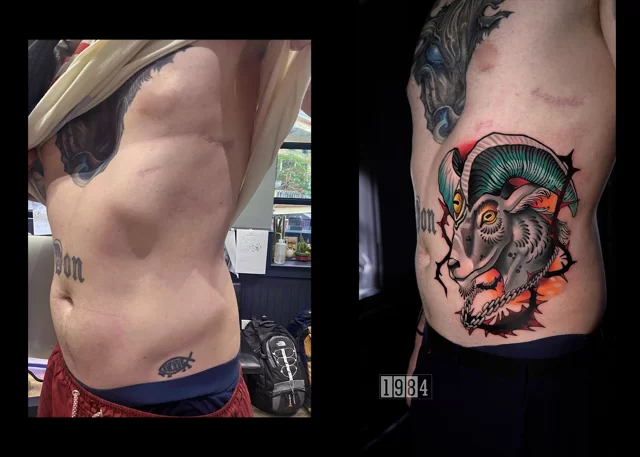
When Should You Consider a Cover Tattoo?
Your preferences have changed. Tastes evolve — and a design you loved years ago may no longer reflect who you are today. This is one of the most honest reasons to look into a cover tattoo, and it’s more than enough reason to act on it. You don’t need a dramatic backstory to want something new.
The design feels outdated. Art and style move fast. What felt fresh and current a few years ago can start to feel like a very specific moment in time. Many people choose to cover old work not because they regret getting it, but because they want something that feels alive and relevant to where they are now.
You want to move on from something. Old relationships, difficult periods, reminders you’re no longer willing to carry — some ink simply becomes too heavy to wear. For people in this situation, a cover tattoo is often a smoother path than laser removal. Laser procedures require multiple sessions, strict aftercare, and can leave scarring if not followed through properly. A well-executed cover tattoo handles all of that in a single process — with a result you actually want to look at.
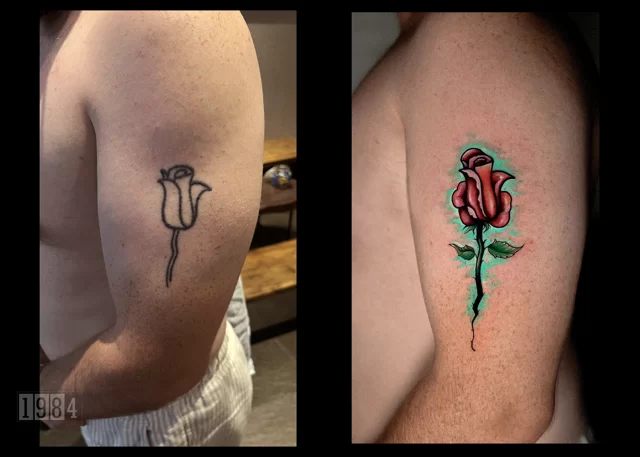
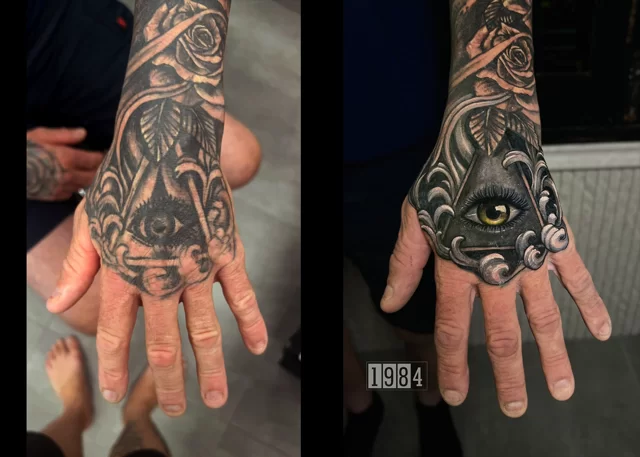
3 Steps to a Successful Cover Tattoo
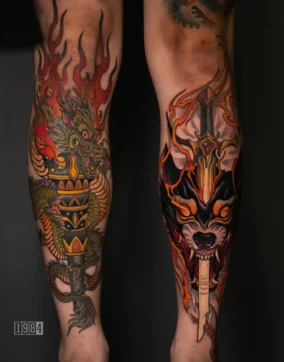
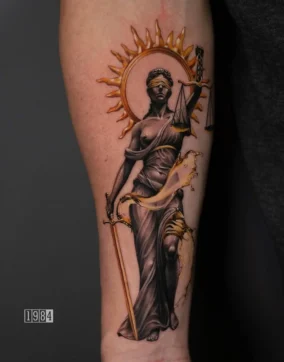
Step 1: Find an artist with real cover-up experience. A cover tattoo is technically demanding in ways that a fresh design is not. The artist needs to assess the existing work, develop a new design that functions over it, adjust needle angle and technique, manage color mixing, and ensure both layers read as one coherent piece. Not every tattoo artist is equipped for this. Look for someone with a clear portfolio of cover-up work — or reach out to the artists at 1984 Studio, who regularly take on projects across a full range of styles and difficulty levels.
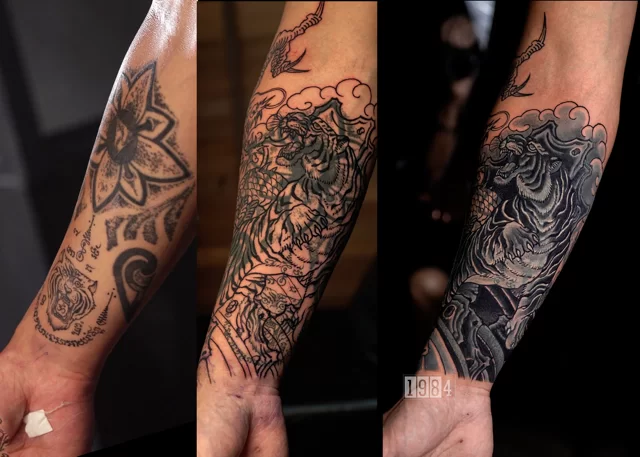
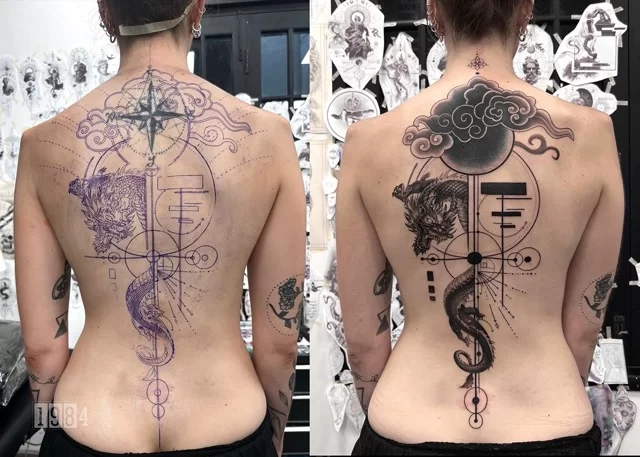
Step 2: Communicate your vision clearly.
Once you’ve found the right artist, share everything you have in mind. Do you want color, or would you prefer blackwork? How large can the new design be? Are there elements of your old tattoo you want to preserve, or should the new piece conceal it entirely? The more specific you are upfront, the better the artist can design something that covers effectively while still being something you’re proud to wear. Communication is the foundation of a good result — and it protects you from surprises.
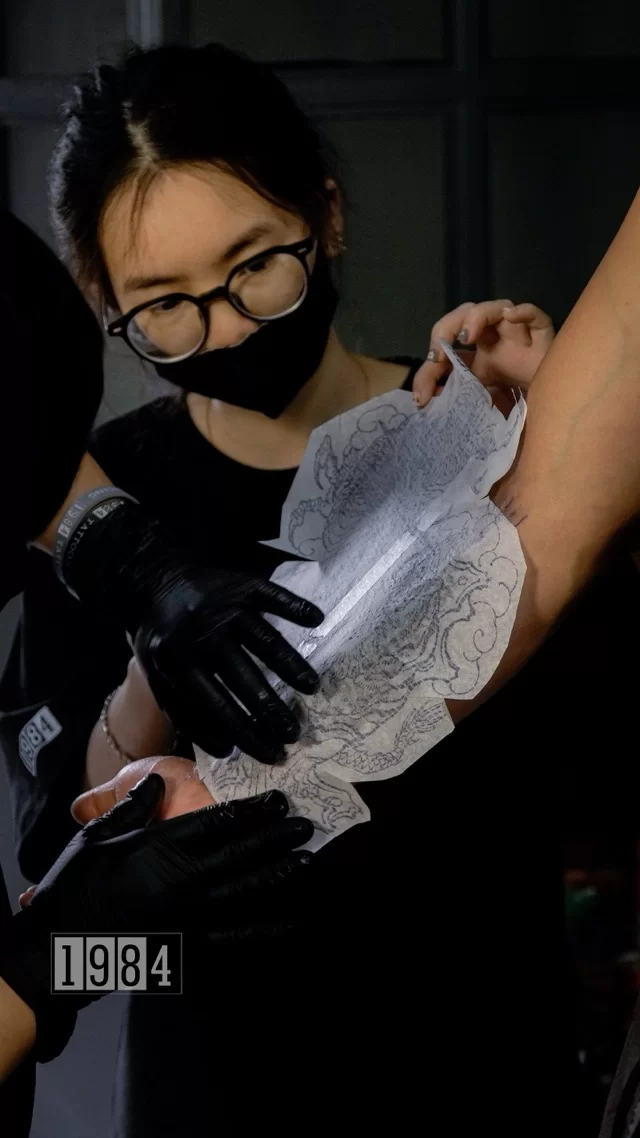
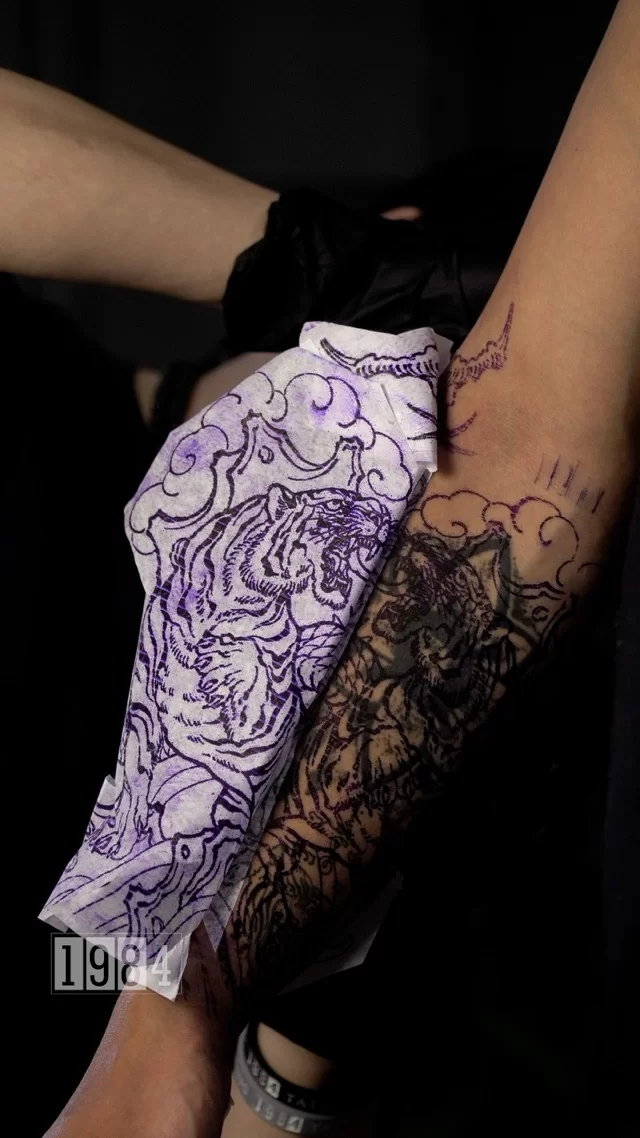
Step 3: Take the aftercare seriously. A successful cover tattoo doesn’t end when you walk out of the studio. Aftercare matters for any new piece — but it’s especially important for cover-up work, where the skin has been through the tattooing process before. Follow your artist’s instructions closely, keep the area clean, and give the design the time it needs to heal properly. This step is what separates a result that holds up beautifully over time from one that fades or loses definition within months.

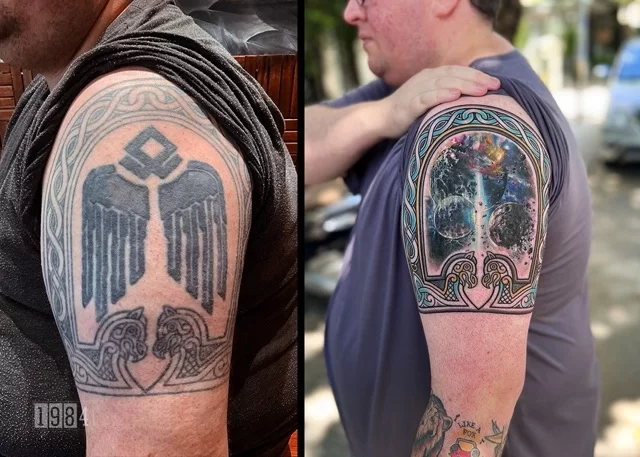
Covering old ink is one of the most satisfying outcomes in tattooing — for both client and artist. With the right person, the right plan, and proper care, a cover tattoo can completely transform something you’ve been hiding into something you’re genuinely proud of.
If you’re thinking about a cover tattoo and aren’t sure where to start, 1984 Studio is here to guide you. For more stories and inspiration, visit our Blog. You can also find us on Facebook for work from all three locations.
1984 Studio — Tattoo & Piercing | Est. 2015 | Hanoi · Huế · Hội An

















 Hanoi:
37 Ma May, Hoan Kiem booking.hanoi@1984studios.vn